
HTML Programmer
About Course
About Course
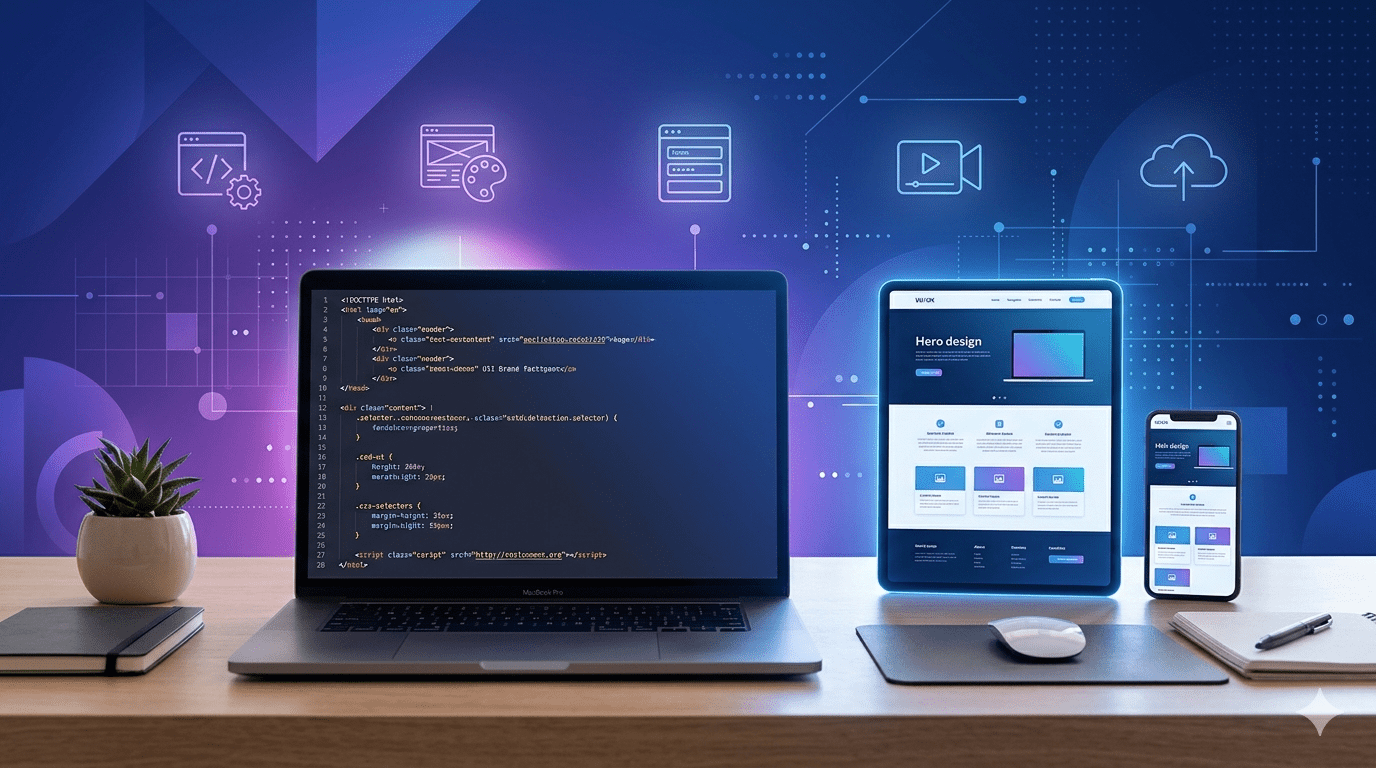
The Hypertext Markup Language (HTML) Programmer course is an NQF Level 4 programme designed to equip learners with the knowledge and practical understanding required to build front-end web-based solutions using HTML, CSS, and related web technologies.
The course introduces learners to the fundamentals of HTML programming, progresses into HTML document structure and programming principles, then develops styling skills using CSS, intermediate HTML functionality, and advanced graphics, animation, and Bootstrap-based styling.
This qualification prepares learners to create well-written, readable HTML programs using disciplined coding practices and to work collaboratively in a team environment using version control tools such as GitHub. The qualification purpose states that an HTML Programmer should be able to implement solutions to solve real-life problems efficiently by applying knowledge of HTML programming principles and applicable tools.
Course Overview
This course is structured around five compulsory Knowledge Modules:
- KM-01: Hypertext Markup Language (HTML) Basics
Introduces learners to computers, HTML programming, IDEs, Git/GitHub, problem-solving, solution development life cycle, and the look and feel of websites. - KM-02: HTML Programming Principles
Covers the structure of an HTML document, HTML data types, attributes, elements, tags, tables, file paths, text basics, semantic content organisation, and communication with a remote server. - KM-03: HTML and Cascading Style Sheets (CSS) Styling Principles
Develops learners’ understanding of styling HTML5 pages, CSS basics, and HTML forms. - KM-04: HTML Intermediate Programming Functionalities
Focuses on creating interactive webpages using HTML5 APIs, adding media, offline web application support, adaptive user interfaces, WebSockets, Web Workers, packaging, deployment, and publishing websites live on the web. - KM-05: Advanced Graphics, Animation and Styling
Covers advanced graphics in HTML, animation in HTML, and Bootstrap functionalities.
The Knowledge Component totals 20 credits, while the related Application Component totals 40 credits.
Learning Outcomes
By the end of this course, learners should be able to:
- Describe the basics of Hypertext Markup Language programming.
- Build front-end software solutions using the HTML programming language.
- Work collaboratively in a team using the GitHub platform.
- Create structured HTML documents using correct tags, elements, attributes, and document formatting.
- Apply CSS styling principles to improve the appearance, readability, and responsiveness of web pages.
- Develop HTML forms and understand their role in collecting user input.
- Create interactive web pages using HTML5 APIs and multimedia elements.
- Apply intermediate HTML functionalities such as offline application support, adaptive UI, WebSockets, and Web Workers.
- Incorporate advanced graphics, animation, and Bootstrap styling into web-based solutions.
The formal Exit Level Outcomes listed in the curriculum are: describing HTML programming basics, building front-end software solutions using HTML, and working collaboratively using GitHub.
Target Audience
This course is intended for learners who want to develop foundational and intermediate skills in front-end web development using HTML and CSS.
It is suitable for:
- Beginner web development learners.
- Learners pursuing the HTML Programmer occupational pathway.
- Individuals who want to understand how to build and style web pages.
- Learners preparing for practical application in front-end software development.
- Entry-level IT learners who need structured exposure to HTML, CSS, GitHub, responsive design, and web publishing.
Course Requirements
Learners should have access to a suitable learning environment, structured learning material, and the necessary tools for HTML programming practice. The curriculum states that the provider must have lesson plans and structured learning material, or provide learners with access to structured material that addresses all knowledge module topics and applied knowledge in the practical skills.
Recommended learner requirements include:
- Basic computer literacy.
- Access to a computer or laptop.
- Internet access.
- Access to a suitable code editor or Integrated Development Environment.
- Willingness to complete written, practical, assignment, project, demonstration, or presentation-based assessments.
- Ability to participate in individual and collaborative learning activities.
The curriculum also notes that assessments may include practical or written assessments, assignments, projects, demonstrations, presentations, or other assessment methods that support the learning process.
Skills You’ll Gain
Learners will gain skills in:
- Understanding computer basics and internet functionality.
- Writing and structuring HTML documents.
- Using HTML tags, elements, attributes, headings, paragraphs, tables, forms, and links.
- Organising content semantically.
- Styling web pages using CSS.
- Applying fonts, colours, layouts, formatting, and responsive design principles.
- Creating HTML forms.
- Using Git and GitHub for collaborative development.
- Adding multimedia such as images, audio, and video to web pages.
- Creating interactive webpages using HTML5 APIs.
- Understanding offline web application support.
- Applying adaptive user interface principles.
- Using WebSockets and Web Workers.
- Packaging, deploying, and publishing websites.
- Using SVG, Canvas, animation, and Bootstrap functionalities.
Course Structure
1. Knowledge Modules (KM)
- KM-01: Hypertext Markup Language (HTML) Basics
- KM-02: HTML Programming Principles
- KM-03: HTML and Cascading Style Sheets (CSS) Styling Principles
- KM-04: HTML Intermediate Programming Functionalities
- KM-05: Advanced Graphics, Animation and Styling
Total Knowledge Component Credits: 20
2. Practical Modules (PM)
- PM-01: Getting started with Hypertext Markup Language (HTML)
- PM-02: Program with HTML
- PM-03: Style Webpages with HTML and Cascading Style Sheets (CSS)
- PM-04: Use Intermediate HTML Programming Functionalities
- PM-05: Apply Advanced Graphics, Animation and Styling
- PM-06: Projects with HTML
Course Content
KM-01: Hypertext Markup Language (HTML) Basics
KM-02: HTML Programming Principles
KM-03: HTML and Cascading Style Sheets (CSS) Styling Principles
KM-04: HTML Intermediate Programming Functionalities
PM-00: Practical Modules
WM-01: Workplace Module
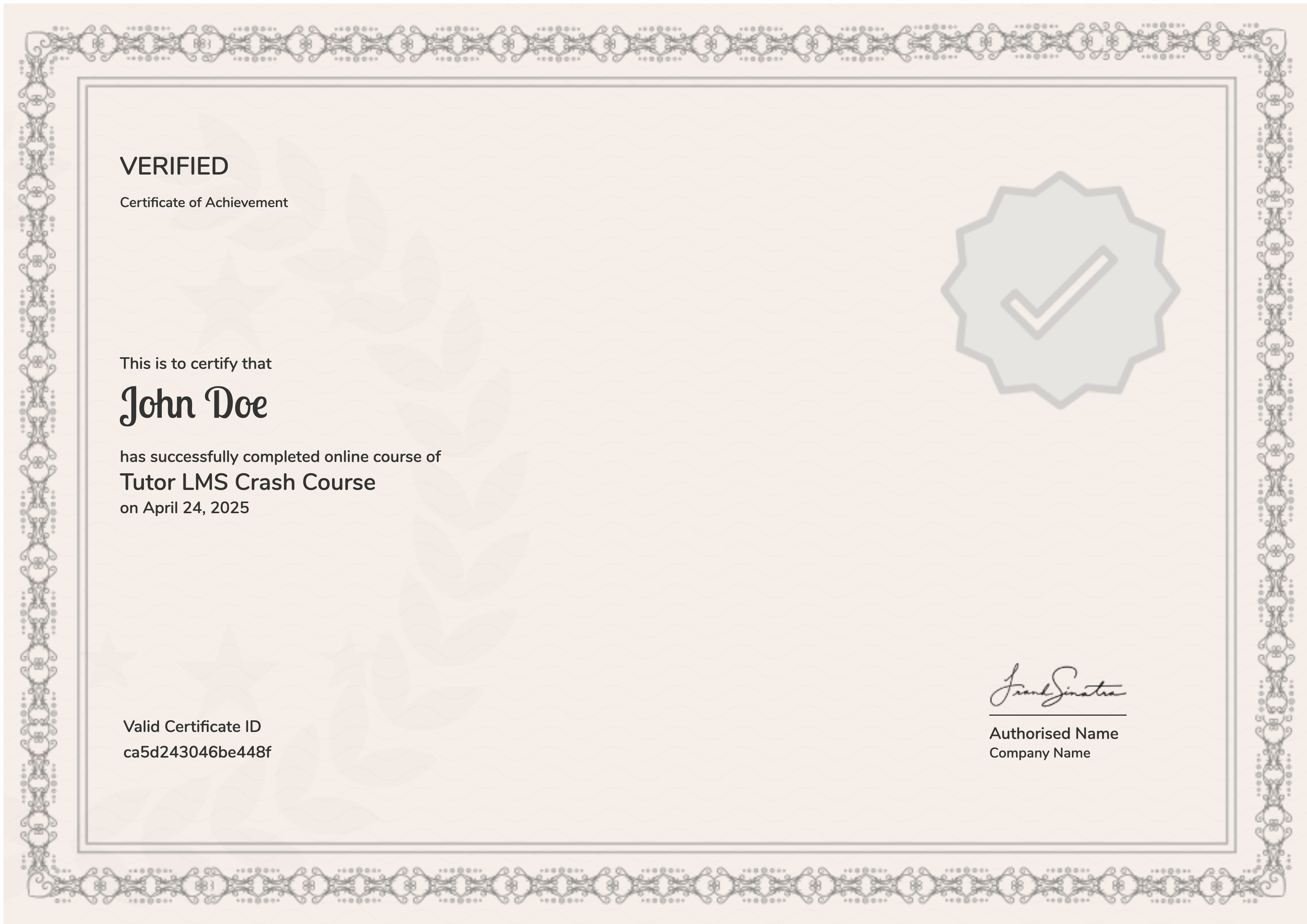
Earn a certificate
Add this certificate to your resume to demonstrate your skills & increase your chances of getting noticed.
Student Ratings & Reviews