Course Content
Qualification Resources & Official Documents
Below is a simplified, easy-to-understand summary of each document and its purpose. These are the four official documents that must accompany the Supply Chain Practitioner qualification.
0/1
Module 1: Introduction to the Supply Chain (KM-01)
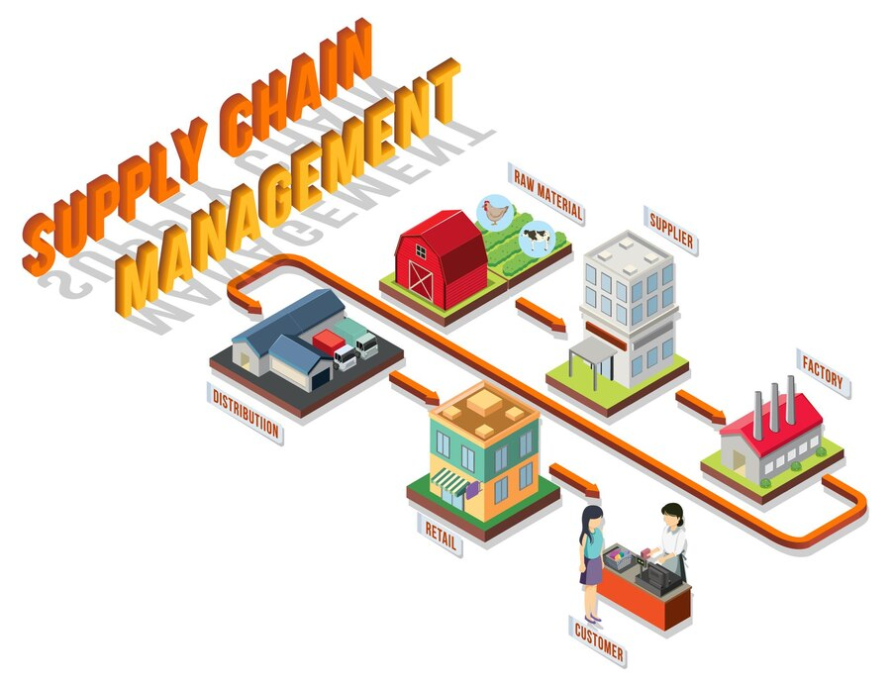
This module introduces learners to the structure, purpose, and functions of the supply chain. It covers end-to-end supply chain components, key terminology, basic concepts, supply chain flows, and the roles of different stakeholders within the system. Learners will gain the theoretical foundation required for all further supply chain modules.
0/3
Module 2 (KM02: Demand Execution Processes).
This module covers the principles, processes, and systems involved in executing customer demand within the supply chain. Learners will explore demand planning, order processing, forecasting fundamentals, customer communication, and the role of accurate information in ensuring smooth demand fulfilment and inventory stability. This module builds the theoretical foundation necessary for coordinating operations across procurement, warehousing, production, and distribution.
0/3
Module 3: Transport & Distribution Operations (KM-03)
This module provides a comprehensive understanding of transport and distribution operations within the supply chain. It covers transport modes, distribution strategies, routing, cargo handling, regulatory requirements, cost considerations, and the role of transport in achieving service-level objectives. Learners gain foundational theoretical knowledge required to support operational decision-making and distribution planning in real-world environments.
0/3
Module 4: Inventory Management (KM-04)
This module introduces the principles and practices of inventory management within the supply chain. Learners will study inventory classifications, stock control techniques, replenishment methods, ABC analysis, stock rotation principles, inventory accuracy, and the role of inventory in maintaining service levels. The module provides the theoretical foundation needed to manage and optimise stock in warehousing and distribution environments.
0/3
Module 5: Warehousing & Facility Operations (KM-05)
This module covers the principles, functions, and processes involved in warehousing and facility operations within the supply chain. Learners will explore warehouse roles, storage methods, receiving and dispatch procedures, equipment handling, safety requirements, facility layout design, and performance measures. The module provides essential theoretical knowledge required to support efficient warehousing operations.
0/3
Module 6: Production Operations (KM-06)
This module introduces the concepts, processes, and functions that support production operations in the supply chain. Learners will study production planning, scheduling, process flows, work instructions, resource utilisation, quality control, and the role of production in meeting customer demand. The module provides a theoretical foundation that underpins manufacturing and operations management in various industries.
0/2
Module 7: Procurement Processes (KM-07)
This module explores procurement principles and processes within the supply chain. Learners will study sourcing strategies, supplier management, purchasing procedures, cost considerations, documentation, compliance requirements, and the role of procurement in supporting operational and organisational goals. This module builds essential theoretical skills needed to understand purchasing and supply management.
0/3
Module 8: Distribution & Transportation Operations (KM-08)
This module explores the systems, processes, and decisions involved in distributing goods to customers. Learners will study transportation modes, routing, delivery planning, distribution centre operations, fleet management, cost factors, documentation, and the role of distribution in fulfilling customer demand. This knowledge is essential for understanding how products move efficiently and safely through the supply chain.
0/3
Module 9: Reverse Logistics & Returns Processes (KM-09)
This module explains the principles, processes, and operational requirements involved in reverse logistics. Learners will explore return reasons, handling procedures, refurbishment, recycling, disposal, documentation, and the strategic role of reverse logistics in customer satisfaction and environmental sustainability.
0/3
Supply Chain Practitioner: Knowledge Modules (KM01–KM09)

📘Lesson Summary:

This lesson explains procurement fundamentals, procurement cycle steps, sourcing techniques, supplier evaluation, purchasing documentation, compliance, and how procurement supports the overall supply chain.

Lesson 1: Understanding Procurement Processes (KM-07)

Procurement is the process of acquiring goods and services needed for an organisation to operate. It includes selecting suppliers, negotiating contracts, issuing purchase orders, receiving goods, and ensuring effective supplier relationships.

Procurement directly affects cost control, product quality, production continuity, and customer satisfaction.

1. Purpose of Procurement in the Supply Chain

Procurement ensures that:

  • The organisation has the right materials and services
  • At the right time
  • In the right quantity
  • At the right quality
  • At the best possible cost

Effective procurement supports:

  • Continuity of production
  • High service levels
  • Optimised inventory
  • Strong supplier partnerships
  • Reduced operational risk

2. The Procurement Cycle

The procurement cycle is a structured process that includes:

2.1 Needs Identification

Identifying what materials, components, or services are required.

2.2 Supplier Sourcing

Finding potential suppliers who can meet the requirements.

2.3 Supplier Evaluation & Selection

Assessing suppliers based on:

  • Price
  • Quality
  • Reliability
  • Lead times
  • Compliance
  • Capacity

2.4 Quotation / Tendering Process

Obtaining competitive pricing and terms.

2.5 Negotiation

Agreeing on commercial terms such as:

  • Price
  • Discounts
  • Payment terms
  • Delivery conditions

2.6 Purchase Order (PO) Creation

The official contract document that authorises procurement.

2.7 Order Follow-Up & Expediting

Ensuring suppliers deliver on time.

2.8 Receiving & Inspection

Checking that delivered goods meet specifications.

2.9 Invoice Verification & Payment

Matching PO, goods received note, and supplier invoice.

3. Types of Procurement

3.1 Direct Procurement

Inputs directly used in production (e.g., raw materials).

3.2 Indirect Procurement

Items that support operations (e.g., PPE, stationery, cleaning materials).

3.3 Strategic Procurement

Long-term supply agreements with key suppliers.

3.4 Tactical Procurement

Short-term, transactional purchases based on immediate needs.

4. Supplier Relationship Management (SRM)

Good supplier relationships ensure:

  • Reliable delivery
  • Consistent product quality
  • Lower total cost of ownership
  • Flexibility during shortages
  • Reduced risk

SRM involves:

  • Continuous communication
  • Supplier performance reviews
  • Contract management
  • Risk assessments

Tools used include:

  • Supplier scorecards
  • KPIs
  • Compliance audits

5. Procurement Documentation

Documentation ensures transparency and audit compliance.

Common documents include:

  • Purchase Requisition (PR)
  • Request for Quotation (RFQ)
  • Purchase Order (PO)
  • Goods Received Note (GRN)
  • Invoice
  • Supplier Contract
  • Delivery Notes

Procurement documents must match during three-way matching:

PO → GRN → Invoice

6. Procurement Risks

Common risks include:

  • Supplier failure
  • Poor quality goods
  • Late deliveries
  • Price fluctuations
  • Fraud or unethical behaviour
  • Non-compliance with policies
  • Contract disputes

Procurement must mitigate these risks through:

  • Supplier vetting
  • Contract monitoring
  • Backup suppliers
  • Quality checks
  • Policy enforcement

7. Technology in Procurement

Modern procurement uses:

  • ERP systems
  • E-procurement platforms
  • Supplier portals
  • Contract management systems
  • Spend analytics
  • Automated PO creation

Technology improves transparency, speed, and accuracy.

8. Compliance & Ethical Requirements

Procurement must follow:

  • Company procurement policies
  • Anti-corruption regulations
  • Preferential procurement laws
  • Quality and safety standards
  • Ethical sourcing principles

Non-compliance can result in:

  • Legal penalties
  • Financial loss
  • Reputational damage

🎯 Lesson Outcomes

By the end of this lesson, learners will be able to:

  1. Explain procurement concepts and objectives.
  2. Describe the steps of the procurement cycle.
  3. Identify procurement types and strategies.
  4. Interpret supplier evaluation and relationship management principles.
  5. Understand key procurement documents.
  6. Analyse procurement risks.
  7. Evaluate the role of technology in procurement.
  8. Apply procurement principles to real workplace scenarios.
Scroll to Top